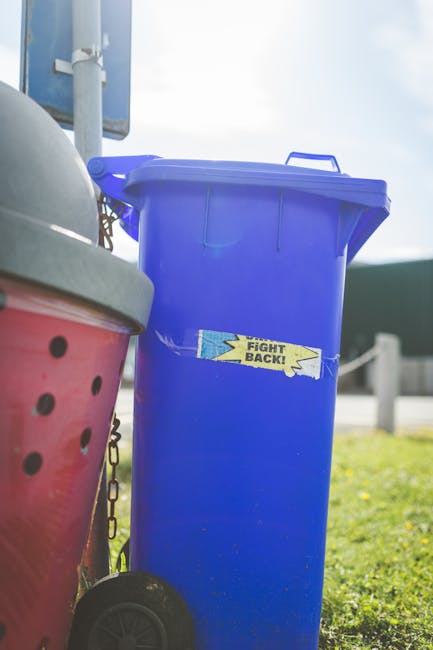
Best rubbish collection for EN10 homes near River Lee
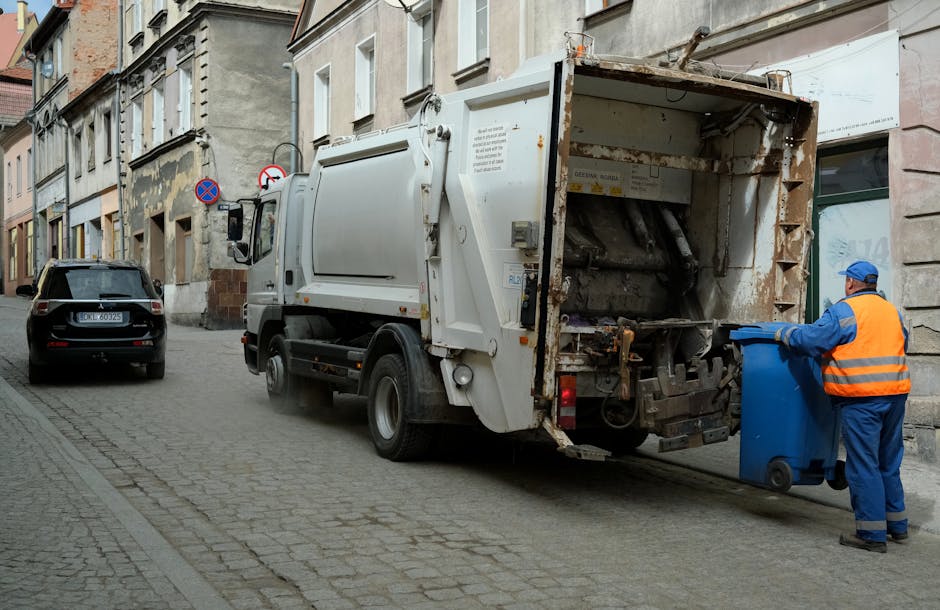
If you live in an EN10 home near the River Lee, rubbish can build up in ways that feel oddly specific: damp garden cuttings after a wet week, bulky bits from a room refresh, or the kind of mixed household waste that never quite fits neatly into the wheelie bin. The best rubbish collection for EN10 homes near River Lee is not just about removing junk quickly. It is about choosing a service that works for tight access, local streets, family routines, and the practical realities of living close to a river corridor.
This guide breaks down how rubbish collection should work, what to look for, where people often go wrong, and which options usually make the most sense for homes in this part of Broxbourne. You will also find a comparison table, a step-by-step checklist, and answers to common questions people ask when they are trying to sort things out without turning the whole day upside down.
Why Best rubbish collection for EN10 homes near River Lee Matters
For EN10 homeowners, rubbish collection is rarely just a convenience. It can affect how usable your drive, garden path, or side access really is. Near the River Lee, that matters even more because local conditions can make waste heavier, wetter, and trickier to move. A pile of garden waste after a rainy spell does not behave like a neat stack of cardboard. It slumps, leaks, and starts to smell faster than you expect. That is one reason a reliable, responsive collection service is so valuable.
There is also a local character to the area. Many homes in EN10 are semi-detached or terraced with limited front space, and some have narrow access routes or shared boundaries. That changes the whole equation. A service that understands domestic access, careful loading, and tidy cleanup can save you from a lot of hassle. Truth be told, the difference between a good collection and a poor one is often noticed in the driveway more than on the invoice.
If you are dealing with a one-off clear-out, it is worth matching the service to the job rather than assuming any removal option will do. Household waste, garden waste, old furniture, broken appliances, and renovation debris all have different handling needs. And if items include fridges, mattresses, or anything classed as hazardous, you need a provider that handles disposal properly rather than just taking the easy route.
How Best rubbish collection for EN10 homes near River Lee Works
In simple terms, a rubbish collection service comes to your property, loads the agreed waste, and removes it for sorting, recycling, or disposal. For most EN10 homes, the process starts with a description of the waste and an estimate of volume. Some services want photos, which is fair enough. It helps avoid surprises, and it means the team can plan for labour, vehicle space, and any awkward items.
The best services are usually clear about what they will take, what they will not take, and whether any special handling applies. For example, a load that includes old wardrobes, damp garden clippings, and a broken washing machine is very different from a straightforward bag collection. If you have mixed waste, ask how it will be separated, because that affects both efficiency and environmental handling.
Another practical point: many domestic collections are priced by load size, item type, or the amount of labour needed. You are not just paying for the van. You are paying for loading, transportation, sorting, compliance, and the time it takes to do the job properly. If the quote is suspiciously cheap, that can be a warning sign. A cheap uplift that skips proper handling often becomes expensive in other ways later on.
Some residents prefer to combine rubbish removal with related clear-out services. That can be very efficient if you are tackling more than one space at once. For example, pairing a house clear-out with home clearance or garage clearance can make the whole process feel manageable instead of endless.
Key Benefits and Practical Advantages
The biggest advantage is simple: you get your space back without spending a full weekend wrestling with bin bags, straps, and traffic to the tip. But there are a few deeper benefits worth spelling out.
- Faster turnaround: a good collection can clear a cluttered space in a single visit.
- Less physical strain: useful if you are moving heavy furniture or awkward waste.
- Cleaner finish: the right team should sweep up after loading, not leave a mess behind.
- More predictable planning: you know when the job will happen and what it will cost.
- Better sorting and disposal: waste can be handled more responsibly than ad hoc DIY disposal.
There is also the mental side. A clear space changes how a home feels. You notice it in the hallway, the garden, the spare room. Less visual noise, less feeling that everything is on top of you. It sounds small, but it genuinely matters when life is already busy.
If your household produces regular waste beyond the normal domestic bin system, it is also useful to understand broader waste removal options. That gives you a better sense of whether you need a one-off uplift or a more structured approach.
Who This Is For and When It Makes Sense
This kind of rubbish collection is a strong fit for homeowners, landlords, tenants, and families in EN10 who need a practical solution rather than a drawn-out project. It is especially sensible if you have bulky or mixed waste that does not fit standard collections. Let's face it, a sofa, a broken wardrobe, and six bags of garden waste are not going to magically disappear into a normal bin week.
It makes sense when you are:
- clearing a spare room, loft, garage, or shed
- getting a property ready for sale or rent
- disposing of old furniture after a refurbishment
- removing waste after landscaping or pruning
- dealing with post-move clutter that has gathered in piles
- sorting out builder's rubble or renovation leftovers
It is also a good option if access is awkward. Some homes near the river have limited parking or tight side passages. A collection service that is used to domestic access can usually work around that more neatly than a DIY trip with a borrowed van. You do not want to spend half a Saturday doing three lifts and a fuel stop, then discover the local tip queue is longer than expected. Not ideal.
For bigger household clear-outs, a dedicated house clearance or loft clearance can be the better fit because it brings structure to a job that otherwise tends to sprawl.
Step-by-Step Guidance
- Identify the waste type. Separate general rubbish, garden waste, furniture, electrical items, and anything hazardous. This saves time later.
- Estimate the amount. A quick photo of the waste pile is often more useful than guessing. A small pile can look huge in bad light, or tiny when squeezed into a corner.
- Check access. Note whether the team can park close, whether there are steps, gates, low branches, or shared drives, and whether the route is narrow.
- Ask what is accepted. Confirm whether the collection covers mattresses, appliances, builders' debris, or mixed household waste. If you need specialist handling, say so early.
- Request a clear quote. Make sure the price includes loading, transport, and disposal. Ask about extra charges before booking.
- Prepare the items. Put waste in a safe, accessible place if possible. This keeps the job tidy and faster on the day.
- Keep a bit of breathing room. If possible, leave the route to the waste clear. It avoids those awkward "sorry, can you just move that?" moments.
- Check the finish. Once the waste is removed, inspect the area. A proper job should leave the space clean enough to use straight away.
If you are comparing collection versus a skip, it may help to read up on what can go in a skip. Even if you do not choose a skip, it clarifies what waste is straightforward and what needs special handling.
Expert Tips for Better Results
The best rubbish collection outcomes usually come from being a little organised at the start. Not rigid, just prepared. In our experience, the jobs that go smoothly are the ones where the customer has thought through what needs removing and what might be awkward.
Tip 1: group waste by category if you can. Mixed piles are fine, but separating out furniture, garden waste, and electricals makes the quote more accurate and the loading faster.
Tip 2: take photos in daylight. Morning light is often better than late evening, especially if you want the team to understand the size and shape of the load properly.
Tip 3: mention items that are heavy, wet, or fragile. A rain-soaked garden bag weighs more than it looks, and a damaged sofa can require extra care. Small detail, big difference.
Tip 4: if you are clearing out rooms, think in zones. One room, one pile, one decision. It sounds a bit neat, but it stops the job turning into an all-day shuffle.
Tip 5: if you are unsure about disposal routes for appliances or old soft furnishings, check specialist services such as fridge and appliance removal or mattress and sofa disposal. Those items often need more careful handling than ordinary bag waste.
One more thing: a trustworthy provider should be able to explain their process without making it sound mysterious. If the answer is vague, that is not a great sign. You want clarity, not a disappearing act.
Common Mistakes to Avoid
People often make rubbish collection harder than it needs to be. Usually not through carelessness, just because they are trying to get it sorted quickly.
- Underestimating the volume: waste expands once it is gathered, especially soft items like cushions or garden cuttings.
- Mixing prohibited items in without checking: certain waste streams need special treatment.
- Forgetting access issues: a narrow path, locked gate, or parked car can slow the whole collection.
- Choosing price alone: the cheapest option is not always the best value if it is slow, unclear, or incomplete.
- Leaving sorting until the last minute: that is when people realise the pile contains items they meant to keep. Oops.
Another common issue is assuming every service handles every type of waste equally well. That is not really how it works. Garden waste, builders' waste, furniture, and confidential material each bring different expectations. If you need secure handling of documents, for example, look at confidential shredding rather than leaving it in a general waste pile.
And yes, the classic mistake: starting the clear-out without a final decision on what stays and what goes. Half the room ends up in a "maybe" pile. We have all seen it happen.
Tools, Resources and Recommendations
You do not need complicated tools to organise rubbish collection, but a few simple things make a noticeable difference.
- Phone camera: use it to photograph waste piles from a few angles.
- Measuring tape: handy if you are comparing bin bags, furniture, or bulky items.
- Gloves and sturdy footwear: especially if waste has sharp edges or broken bits.
- Labels or tape: useful for separating keep, donate, and remove piles.
- Notepad or notes app: jot down items that need specialist handling.
If your project includes outdoor work, a separate garden clearance can help keep organic waste away from the rest of the household clutter. For furniture-heavy jobs, furniture clearance is often the simplest path because it is geared towards bulky domestic items rather than mixed debris alone.
When comparing providers, look for plain-English information on pricing, safety, insurance, and sustainability. Those are boring pages to some people, perhaps, but they tell you a lot about how a company works. You may also want to review pricing and quotes, insurance and safety, and recycling and sustainability before making a decision.
Law, Compliance, Standards, or Best Practice
For domestic rubbish collection, the main point is simple: waste should be handled responsibly and by a service that works within accepted UK waste practices. You do not need to become a legal expert, but you should expect proper disposal, sensible sorting, and clear handling of restricted materials.
Best practice usually means:
- checking what the service accepts before collection
- keeping hazardous or specialist items separate
- using a provider that can explain how waste will be managed
- avoiding fly-tipping or informal dumping arrangements
- making sure the collection does not create a nuisance or safety risk for neighbours
If your waste includes items that may be classed as hazardous, treat that carefully. Do not assume it can be bundled into a normal load. That is where people get into trouble, and nobody wants that after an otherwise simple clear-out. A service with a specific hazardous waste disposal page is usually a sign that it recognises those boundaries.
Also worth noting: if you are removing items from a rental property, home office, or business space, you may need a slightly different approach. A domestic-looking pile can still include material that needs separate handling. It is always better to ask than to guess.
Options, Methods, or Comparison Table
There are a few realistic ways to deal with rubbish in EN10 homes near the River Lee. The best one depends on the amount, the type of waste, and how quickly you need it gone.
| Option | Best for | Pros | Limitations |
|---|---|---|---|
| Ad hoc bin disposal | Small daily household waste | Simple, familiar, low effort | Not suitable for bulky or excess waste |
| DIY tip run | Households with a vehicle and time | Good for sorted loads, flexible if you have transport | Laborious, time-consuming, awkward with heavy items |
| Skip | Renovations, ongoing works, larger loads | Useful for staged clear-outs | Needs space and clear understanding of what can be placed inside |
| Rubbish collection service | Most domestic clear-outs, bulky items, mixed waste | Fast, tidy, labour included, usually more convenient | May cost more than self-loading for very small jobs |
For many EN10 homes, a rubbish collection service wins on convenience. If your waste is scattered across the garden, garage, and hallway, a team that loads everything in one visit is often the least stressful option. If the job is more construction-led, you may also want to look at builders waste clearance for heavier rubble and renovation debris.
Case Study or Real-World Example
Here is a typical scenario. A family in EN10 is preparing a spare room for a new home office. Over the years, the room has quietly become the landing zone for old shelving, a cracked desk chair, boxes of broken toys, and a few bags from a long-finished declutter. Nothing dramatic. Just life, really.
They start by separating the obvious keep items from the waste. Then they take a couple of photos, measure the larger pieces, and ask for a collection that can handle mixed household waste plus a couple of bulky items. They also mention that access is easiest via the side path, which is a bit narrow but manageable. That helps avoid awkward surprises on the day.
The collection team arrives, loads the items efficiently, and clears the room in one visit. The customer is left with a space that feels suddenly bigger and calmer. No drama, no multiple trips, no half-finished feeling. The useful part is not just that the rubbish is gone. It is that the room can finally become what it was meant to be. That is what good rubbish collection does well.
For jobs that involve a mix of furniture and household clutter, a combination of house clearance and targeted item removal can be a sensible route. If you are handling single bulky items, the more specific service pages are often easier to work with than a broad, catch-all arrangement.
Practical Checklist
Use this before booking a collection. It saves time, and it saves those little mid-job questions that always arrive at the worst moment.
- Have I identified exactly what needs removing?
- Are any items hazardous, electrical, or unusually heavy?
- Have I taken photos from more than one angle?
- Do I know roughly how much space the waste takes up?
- Is access clear for the crew and vehicle?
- Have I checked whether furniture or appliances need special disposal?
- Have I compared price, timing, and what is included?
- Do I know where the waste will be taken or how it will be handled?
- Have I separated keep, donate, recycle, and remove piles?
- Is the collection arranged for a day and time that will actually work for me?
If your clearance includes bulky household items, it can be useful to look at furniture disposal as well, especially if you are deciding whether to remove one item or clear several pieces at once.
Conclusion
The best rubbish collection for EN10 homes near River Lee is the one that fits your waste type, access, timing, and budget without creating extra work for you. For most households, that means choosing a service that is clear, careful, and used to domestic clear-outs rather than one that simply promises the cheapest uplift. A little judgement at the start goes a long way.
Think about what you are actually trying to solve. Is it a one-off clutter problem, a garden tidy-up, a sofa that has overstayed its welcome, or a bigger home reset? Once that is clear, the right option usually becomes much easier to spot. And if you are not sure, that is normal. Most people are not waste experts. They just want the place to feel manageable again.
For a final sense-check, review the service details, ask sensible questions, and choose the option that lets you move on with your day. That is really the goal. Clean space, less stress, job done.
Get a free quote today and see how much you can save.
Frequently Asked Questions
What is the best rubbish collection option for an EN10 home near River Lee?
For most homes, a domestic rubbish collection service is the most practical option because it handles loading, transport, and disposal in one visit. It is especially useful if you have bulky items, mixed household waste, or limited access.
How do I know whether I need rubbish collection or a skip?
If the waste is a one-off pile, includes bulky furniture, or is spread across several rooms, collection is often simpler. If you are doing ongoing renovation work and have space for a container, a skip may be more suitable. It depends on the job, not just the size.
Can rubbish collection handle garden waste near the River Lee?
Yes, many services can handle garden waste, including branches, hedge cuttings, and bagged green waste. If the waste is wet or heavy after rain, mention that when you book, because it affects loading and weight.
Will the team remove furniture as well as general rubbish?
Usually yes, though it is best to confirm in advance. Sofas, wardrobes, desks, and similar items often need different handling from standard bagged waste, so it helps to separate them when you can.
What should I do with old appliances?
Appliances should be identified separately, especially fridges and freezers. Look for a provider that offers fridge and appliance removal or ask whether the item needs special handling before collection day.
Is rubbish collection suitable for loft or garage clear-outs?
Absolutely. In fact, it is one of the better options for those jobs because the waste is often mixed and awkward to carry. A service such as loft clearance or garage clearance can save a lot of back-and-forth.
How can I make my quote more accurate?
Send clear photos, mention access issues, and describe the waste type honestly. If there are heavy, awkward, or specialist items, say so upfront. That usually leads to a better quote and fewer surprises.
What if I have confidential paperwork to remove too?
Keep paperwork separate from general rubbish and use a dedicated confidential shredding service if needed. It is a small step, but it matters for privacy and peace of mind.
Are there any items that should not go in normal rubbish collection?
Yes. Hazardous materials, and sometimes specialist electrical or chemical items, need separate handling. If you are unsure about an item, ask before putting it into the load. That is the safer route every time.
How quickly can rubbish collection usually be arranged?
Timing varies by provider and workload, but many domestic collections can be arranged relatively quickly once the waste has been assessed. Having photos ready usually speeds things up.
Is it worth paying for rubbish collection instead of doing it myself?
Often, yes, especially if the waste is heavy, messy, or difficult to transport. If you value time, convenience, and less strain, a collection service can be better value than multiple DIY trips.
What should I check before booking a provider?
Check what they collect, how they price the job, whether they handle bulky or specialist items, and whether their safety and payment information is clear. A trustworthy provider should be straightforward about the process.
Can rubbish collection help before selling or renting a home?
Yes. Clearing clutter can make a property feel larger, cleaner, and easier to present. For some households, that alone makes the service worth it, because the house suddenly feels ready for the next step.
If you are still weighing up your options, the safest approach is to define the waste clearly, ask for a transparent quote, and choose the service that feels sensible rather than rushed. That tends to work out best, and it usually feels a lot calmer too.