Commercial Waste in Broxbourne

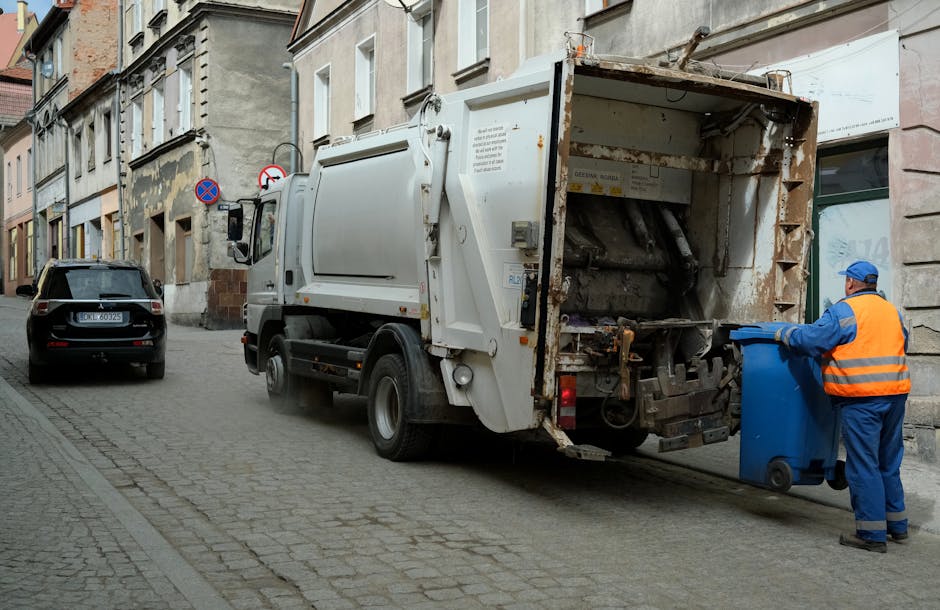
Commercial waste in Broxbourne needs a straightforward, dependable service that keeps business premises clear, compliant and easy to work in. We handle routine commercial rubbish removal and broader waste clearance for organisations that want a practical way to deal with unwanted items, mixed debris and operational clutter. The focus is on making the removal process orderly, with the right collection for the material involved and a clear route from enquiry to disposal.
Our service suits premises that generate waste as part of day-to-day activity, including offices, shops, trade units and other workplaces that need items taken away without disruption. We can deal with a varied load where different materials have built up together, and we separate what can be handled for reuse, recycling or responsible disposal. Clear communication and sensible sorting matter as much as the collection itself, because businesses need to know what is being removed and how it is being handled.
If you are comparing options, start by identifying the main material types and the access available on site. Then request a quotation with a simple description of the waste, the approximate amount and any timing considerations. For a quick next step, outline the load clearly and send the relevant details in one message. That helps keep the process efficient and gives a better basis for pricing.
Business Waste Removal for Everyday Premises
Business waste removal covers the ordinary, recurring items that build up in commercial settings: packaging, broken fixtures, office clutter, redundant stock, and mixed rubbish from clearing out work areas. It is useful for businesses that want a one-off clearance as well as those that need an occasional tidy-up beyond scheduled bin collections. The service is intended to reduce the time staff spend dealing with waste and to keep storage, rear yards and working floors more usable.
Because each workplace produces waste differently, the most suitable approach depends on both the material and the layout. A single collection may suit a compact office clear-out, while a larger site might need a staged removal plan. We can also support jobs where items must be taken from more than one part of the premises. If you need to set a clear scope before booking, it is sensible to list what should go and what must stay. A concise inventory saves unnecessary back-and-forth and helps avoid surprises when the team arrives.
When customers ask for commercial waste removal, the practical questions are usually about access, load type and final destination. Commercial loads can include recyclable items, general rubbish and awkward objects that need careful handling. If you already know the collection point, lift access, parking situation or any restrictions on site, include them in your enquiry. The more accurately the load is described, the more accurately the quotation can reflect the work, especially where heavier or bulkier waste is involved.
Office Clearance and Workplace Tidying
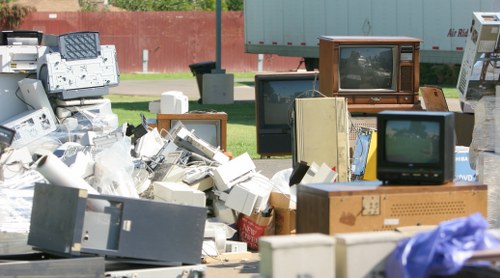
Office clearance is often about more than simply removing furniture. It may involve desks, chairs, filing units, shelving, screens, broken equipment and accumulated office contents that need to be cleared in a careful order. The aim is to leave the space ready for reconfiguration, handover, refurbishment or a simpler daily layout. In many workplaces, the challenge is not just volume but organisation: paper records, electrical items and mixed furniture all need different handling, and a clear approach makes the process easier.
Where a business is clearing an office area, the work may be shaped around access routes, floor protection and the need to avoid disturbing other departments. That matters in shared buildings and busy premises, where waste has to be moved without blocking circulation or damaging the surroundings. We can help with clear-outs that involve a mixture of reusable and non-reusable items, while keeping the service focused on the items agreed in advance. Office clearance is therefore a useful option when a workplace needs a more organised removal rather than a general disposal run.
For office jobs, useful information includes whether items are on one floor or several, whether lifts are available, and whether anything is especially heavy or awkward to move. A short written description is often enough to begin with, then the quotation can be refined if extra detail is needed. If your premises also need secure handling of documents or records, say so clearly rather than assuming every item can be treated in the same way. Request a quotation when you are ready to compare the scope properly.
What We Remove from Commercial Sites

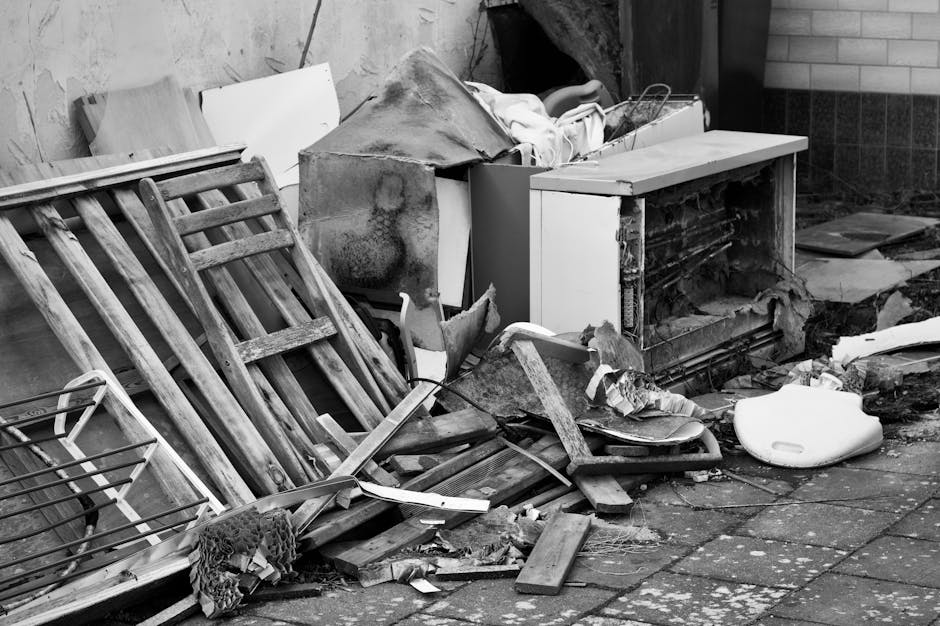
Commercial sites often generate a mixture of items rather than a single type of waste. That can include packaging, damaged stock, shelving parts, office fixtures, appliances, furniture and general clearance debris. Some materials are straightforward to separate, while others need a little more sorting before they can be taken away. A good service works with the site as it is, rather than expecting the customer to solve every sorting issue in advance.
We also handle a range of specialised items where the removal route matters. For example, electrical appliances need appropriate treatment, and bulky furniture requires safe lifting and transport. If a business is dealing with a one-off clear-out, there may be a substantial amount of mixed material to sort through; if the job is smaller, the issue may simply be getting awkward items removed without interrupting operations. Fridge and appliance removal is one relevant option when cold units or other appliances are part of the load.
Not every commercial clearance is the same, so it helps to consider which items are present before booking. A few categories are particularly common in business jobs:
- office furniture and storage units
- redundant electrical or IT equipment
- packaging, cardboard and mixed general waste
- shop fittings, displays and shelving
- bulky items that are difficult to move internally
Furniture Clearance and Furniture Disposal
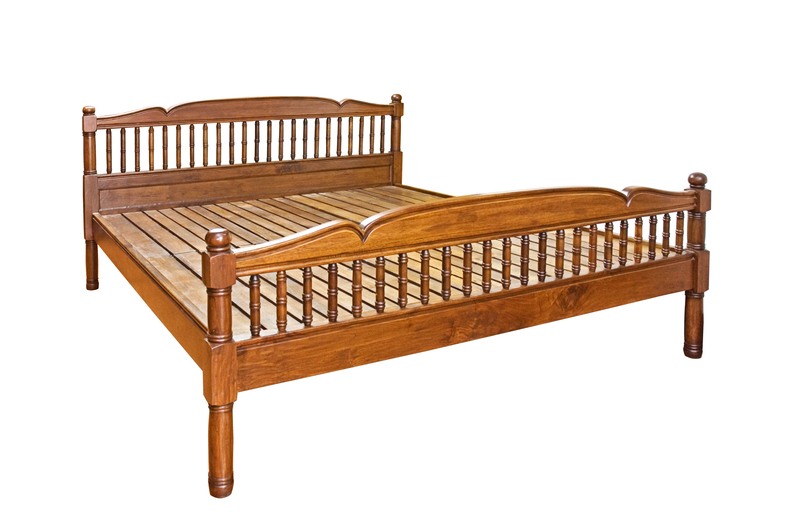
Furniture clearance is a practical part of many commercial waste jobs, especially when offices, retail spaces or other business premises are being reworked. Desks, chairs, cabinets and other large items often need to go together, and the task is usually easier when the removal plan is set around the size and type of furniture rather than treated as a generic rubbish collection. Careful handling matters because furniture can be awkward in corridors, doorways and shared entrances.
Where furniture is still in usable condition, it can sometimes be separated from items that are broken or worn beyond use. That distinction may matter for the way the load is sorted and for the most suitable disposal route. Furniture clearance is useful when there are several large pieces to take away from a workplace, while furniture disposal suits items that are ready for responsible disposal rather than redistribution. Both can form part of a wider commercial clearance.
Customers often ask how to prepare for furniture collection. The simplest answer is to keep pathways clear where possible, identify any items that should remain in place and mention if there are stairs, narrow access points or parking limits. If furniture needs dismantling before it can be moved, include that detail in the enquiry so the quotation reflects the actual task. That helps avoid delays and keeps the removal as efficient as possible.
Shop, Garage and Mixed Space Clearances

Commercial waste is not limited to offices. Shops, storage rooms, garages and back-of-house spaces often end up holding mixed items that no longer serve a purpose. A clear-out in these areas may involve stock packaging, broken display parts, spare fittings, tools, shelving or accumulated material that has simply become difficult to manage. The goal is to restore usable space without turning the clearance into a drawn-out project.
Different spaces call for slightly different handling. A garage or store room may contain heavier objects and more varied waste, while a retail back room may be full of lighter but more numerous items. Garage clearance suits premises where storage has grown into clutter, and it can sit alongside other commercial waste work when multiple areas need attention. When jobs cover several room types, it is often best to explain the whole site rather than send separate, partial requests.
One useful approach is to think in terms of zones rather than item by item. Say which room, yard or store area needs clearing, then group the contents into categories where you can. That makes it easier to assess labour, access and load type, especially if some items are ready to lift while others are boxed, stacked or tucked into awkward corners. A clear description is usually enough to begin with, followed by a quotation based on the actual amount of work involved.
Specialist Items: Mattresses, Sofas and Hazardous Loads
Some commercial waste requires a more specific route because of size, composition or handling considerations. Mattresses and sofas are bulky and difficult to manoeuvre, while certain other materials need extra care because they cannot simply be mixed with general rubbish. Businesses that replace furnishings, clear accommodation spaces or dispose of old stock may therefore need a service that recognises these differences rather than treating every item as the same type of load.
For bulky soft furnishings, the main issue is usually safe removal from the premises and sensible disposal afterwards. For more sensitive waste streams, the task is to identify what can and cannot be included together. Mattress and sofa disposal is relevant where upholstered items are part of the clearance, and hazardous waste disposal is important when the load includes materials that need special handling. That distinction should be made early in the enquiry so the job can be approached properly.
If there are any items that may fall into a restricted category, do not leave them vaguely described. State exactly what they are, how they are stored and whether they are mixed with other waste. This is one of the few areas where precision is especially important, because a general commercial collection may not be suitable for every material. For a sensible quotation, list those items separately and note any labels, containers or packaging still attached to them.
Recycling, Sorting and Responsible Disposal
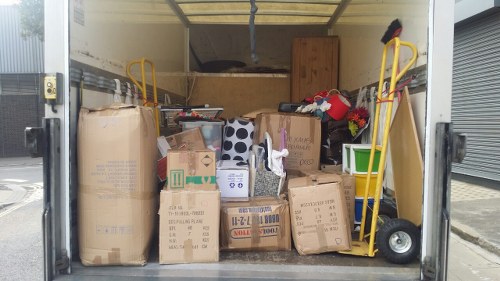 Commercial waste removal should not end with collection alone; it also needs a sensible path for sorting and onward handling. Some items can be broken down for recycling, some can be directed to specialist disposal routes, and some are best handled as general waste after separation from recoverable material. The practical advantage of careful sorting is that it keeps the service orderly and avoids sending everything through the same channel when the contents are mixed.
That is why it helps to know whether a job contains mostly one type of material or a broad mixture from several parts of a workplace. Items that can be separated early are easier to process, and that can simplify the overall clearance. Recycling and sustainability is a useful page to consider when you want to understand the broader approach to material handling, especially for loads that include furniture, packaging, metal or other recyclable components. The same applies when commercial waste includes both reusable and non-reusable items.
For many customers, the best result is not just an empty room but a clearer sense that the waste has been handled properly. That means checking the item types, identifying anything that needs special treatment and making sure the collection plan matches the contents. If your load is unusual, describe it plainly rather than using broad wording like “miscellaneous wasteâ€. Accurate detail makes quotations more useful and supports a more appropriate disposal route.
Broxbourne and the Surrounding Area
Broxbourne is a town and civil parish in Hertfordshire, in the Lea Valley corridor north of London. It sits close to the River Lea and the Lee Navigation, a landscape that has shaped the settlement and transport routes in this part of the county. The area has long-standing connections with the river valley and with routes linking Hertfordshire and the capital, which helped the town develop beyond its earlier rural character. Broxbourne railway station, on the West Anglia Main Line, has also made the town a recognisable commuter point within the wider county. Much of the built environment reflects a mixture of older parish-centre development, later suburban growth and modern infrastructure, so the town reads as layered rather than uniform.
Booking, Scope and Quotation Details
When you are ready to plan a collection, the most helpful quotation is one that reflects the actual work rather than a vague estimate. That means confirming the type of commercial waste, the amount, where it is located and how it can be reached. It also helps to mention whether the site is occupied during the collection, whether there are time restrictions and whether the load contains mixed materials or one clearly defined category. Pricing and quotes is the natural next step when you want to compare the likely cost against the scope of the job.
Some customers prefer to sort and group items themselves before asking for a quotation; others simply describe the site and let the clearance be assessed from that. Either approach can work, provided the description is accurate. If the waste includes multiple rooms, storage spaces or commercial units, summarise the whole job in one enquiry and flag anything exceptional. That way the quotation can account for collection time, lifting difficulty and the likely disposal route, rather than relying on guesswork.
When you are comparing options, keep the conversation practical. Ask about the scope of work, the types of material accepted and the way different items are separated. Then request a quotation once the load is described clearly. Contact us when you are ready to set out the job in full and arrange the next step.
Additional Support for Business Waste Planning
Some commercial clearances are part of a wider change in the way a premises is used. An office may be being reconfigured, a store room may be emptied for new stock, or a mixed workspace may need several types of waste removed before it can be used efficiently again. In those situations, the waste plan works best when it follows the layout of the premises rather than focusing only on what looks easiest to remove. That makes the collection more orderly and the outcome more useful.
It can also help to think about whether the job is best tackled in one visit or separated into sections. A business with a small amount of clutter may only need a straightforward removal, while a larger site may benefit from a staged approach that keeps the disruption lower. If you are unsure which route suits your premises, describe the space and the material together. A clear enquiry does not need to be long; it just needs to be specific enough for an informed quotation.
For businesses managing varied waste streams, a sensible service combines removal, sorting and appropriate disposal without unnecessary complication. That may include office items, furniture, appliances, shop fittings or mixed waste from more than one area. Keep the description honest and detailed, and the next step becomes easier to plan. If you want to move forward, request a quotation and share the essentials of the job in one message.