Insider tips for Broxbourne high street rubbish disposal
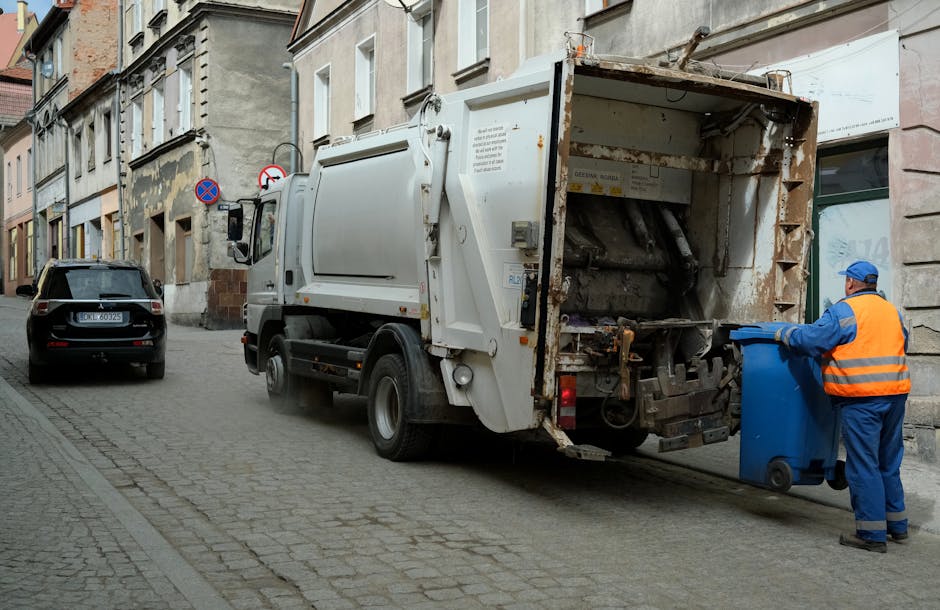
If you have ever tried to shift rubbish from a busy high street location, you will know it is rarely just a matter of filling a bag and moving on. Broxbourne high street rubbish disposal comes with the usual headaches: tight parking, awkward access, shop opening hours, customers passing by, and that slightly frantic feeling when waste starts to pile up faster than expected. The good news? With the right approach, it can be handled cleanly, quietly, and without turning your day upside down.
This guide shares practical, local-minded insider tips for Broxbourne high street rubbish disposal, including how the process works, what to watch out for, and how to choose the right method for your situation. Whether you are a shop owner, tenant, landlord, office manager, or simply dealing with a one-off clear-out, the aim here is to help you make a smarter decision. No fluff. Just the stuff that actually helps.
Quick takeaway: The best rubbish disposal on a high street is the one that matches your access, timing, waste type, and compliance needs. Plan those four things well, and everything else becomes much easier.
Why Insider tips for Broxbourne high street rubbish disposal Matters
High street rubbish disposal is not the same as clearing waste from a quiet driveway or a spacious industrial unit. On a busy stretch of road, the margin for error is tiny. One poorly timed collection can block access, annoy neighbours, disrupt trade, and create a safety issue. That is especially true if you are dealing with bulky items, mixed waste, or heavy packaging after a delivery, refit, or stock refresh.
In practical terms, the stakes are simple: time, image, and safety. A neat frontage tells people you are organised. A pile of broken displays, cardboard, old fixtures, or bagged rubbish tells a very different story. And let's face it, customers notice. They may not say anything, but they notice.
There is also the compliance side. Waste needs to be handled responsibly, and mixed business rubbish cannot just be left where it is convenient. If waste contains electrical items, confidential paper, refrigeration units, or anything potentially hazardous, the level of care rises quickly. That is why a considered disposal plan matters more than a rushed clear-up.
For Broxbourne high street properties, the best approach usually balances convenience with minimal disruption. It is not only about getting rid of waste. It is about getting rid of it in a way that protects your reputation, your team, and your working day.
How Insider tips for Broxbourne high street rubbish disposal Works
The process is usually more straightforward than people expect, but the details matter. Most successful waste clearances follow the same broad pattern: identify the waste, assess access, choose a method, schedule collection, and confirm it is handled properly.
Here is the real-world version. You look at what has to go. Cardboard and packaging may be simple, while old shelving, damaged furniture, or electrical waste may need more planning. Then you consider access. Can a vehicle stop nearby? Is there rear access? Will waste need to be carried through a shop, corridor, or staircase? Those questions decide a lot.
If you are using a professional service, it is worth checking whether they can handle the kind of waste you have, and whether they are used to working in tight commercial spaces. That is not a luxury. It saves awkward surprises. Some jobs are easy on paper and messy in practice, especially when the pavement is busy and the loading time window is narrow.
For larger or recurring waste streams, a service such as business waste removal may be more appropriate than a one-off solution. If your waste includes bulky items from a refit or strip-out, builders waste clearance can be a better fit. For mixed household-type clutter, waste removal or a more specific clearance service may be the cleaner option.
Timing matters too. A mid-morning collection during the busiest footfall period can be a headache. Early access, short loading times, and clear communication with the provider all help. In our experience, the smoothest jobs are the ones where the waste is already grouped, the route is clear, and nobody is hunting for a missing key at the last minute. That sounds obvious, but you would be surprised.
Key Benefits and Practical Advantages
Good rubbish disposal does more than make a place look tidy. On a high street, the benefits are more layered than that.
- Less disruption: A planned collection keeps staff, customers, and neighbouring businesses moving.
- Cleaner frontage: A tidy exterior improves first impressions, which matters more than people admit.
- Safer working areas: Removing trip hazards, sharp edges, and stacked waste reduces avoidable accidents.
- Better use of time: Staff do not end up spending half a day moving rubbish around in circles.
- More appropriate disposal: Different waste types can be separated, sorted, and handled properly.
- Less stress: Once you know the plan, the whole thing feels less chaotic. Simple as that.
There is a quieter benefit too: confidence. When rubbish disposal is handled well, you are not wondering whether the waste is sitting too long outside, whether it will upset a neighbour, or whether it was the right way to deal with it in the first place.
That confidence is especially useful if you are managing a business with limited staff. A small team can only do so much. Having a clean, predictable disposal process means you can focus on trading, serving customers, or finishing the work that actually earns the money.
Who This Is For and When It Makes Sense
Broxbourne high street rubbish disposal makes sense for a wide mix of people. You do not need to be dealing with a huge commercial project to benefit from a better system. Often it is the smaller, ordinary jobs that become annoying fastest.
- Shop owners clearing packaging, old stock, display units, or damaged fixtures
- Cafes and hospitality businesses dealing with bin overflow, broken furniture, or appliance changes
- Offices disposing of paper waste, obsolete furniture, and electrical equipment
- Landlords and letting agents clearing leftover rubbish between tenants
- Contractors who need a neat, fast way to remove waste from short-term jobs
- Residents above shops or in mixed-use buildings who need clear access and careful handling
It also makes sense when the waste is awkward rather than huge. For example, one broken fridge, a couple of heavy armchairs, and some cardboard can be more irritating than a whole stack of bags. Why? Because awkward items slow everything down. They take planning, lifting care, and the right disposal route.
If the job involves soft furnishings, it can be worth looking at mattress and sofa disposal. If you have furniture that is still in decent condition but no longer needed, furniture disposal or furniture clearance may be more relevant. For a wider clear-out, office clearance or home clearance might fit better depending on the setting.
Step-by-Step Guidance
If you want the job to run smoothly, break it into sensible stages. That is the trick. People often try to solve the whole thing in one go and end up with clutter, indecision, and a half-completed pile by the doorway.
- Sort the waste into broad categories. Separate general rubbish, bulky items, cardboard, electricals, and anything that may need special handling.
- Check access carefully. Measure narrow passages, stairwells, doorways, and kerbside stopping points if relevant.
- Identify anything awkward or restricted. Fridges, paint, chemicals, sharps, and confidential paper all need extra thought.
- Decide what needs to go now and what can wait. A staged clear-out often works better than trying to remove everything at once.
- Choose the right disposal route. Match the service to the waste type and volume, not just the speed of collection.
- Book a time that causes the least disruption. Early slots or quieter periods usually make life easier.
- Prepare the items for quick loading. Stack safely, remove loose contents, and keep pathways open.
- Confirm what happens after collection. Recycling, reuse, and responsible disposal should be part of the conversation.
A small bit of prep can save a lot of money and hassle. For instance, flattening cardboard before collection can reduce volume. Moving items away from tills or doorways keeps the loading process faster. And if you have mixed waste, grouping it logically makes everyone's life easier, including the crew who turns up to help.
For one-off jobs, it can also help to check pricing and quotes early rather than leaving cost as a last-minute surprise. Nobody enjoys that moment when a simple job becomes a complicated invoice. Not exactly a fun afternoon.
Expert Tips for Better Results
These are the small, practical things that make a real difference. Not glamorous, but useful. Very useful.
- Group similar materials together. Cardboard with cardboard, furniture with furniture, and so on. It speeds up collection and reduces confusion.
- Leave a clear path from waste to vehicle. Even a short obstruction can slow the whole job on a busy high street.
- Use internal holding space first. If you can move waste off the customer-facing area before collection, the frontage stays tidy.
- Keep a record of what is being removed. This is especially helpful for businesses and landlords managing multiple items.
- Ask about recycling expectations. A good provider should be able to explain how different waste types are separated where appropriate.
- Be realistic about timing. If your access is awkward, allow extra minutes. The schedule will thank you.
One small insider point: if your waste includes office paper, old files, or client documents, treat that as more than just rubbish. Confidential disposal should be handled properly, which is where confidential shredding becomes relevant. It is a quiet little detail that can save a headache later.
Another tip: think about what else is happening on the street. Deliveries, school run traffic, bin collections, and even a market morning can change how easy the job feels. You do not need to over-engineer it, but a bit of local awareness goes a long way. Truth be told, it is often the little timing decisions that separate a smooth clearance from a stressful one.
Common Mistakes to Avoid
Most rubbish disposal problems come from avoidable mistakes. The good news is that once you know the usual traps, you can sidestep them easily enough.
- Leaving it until closing time. Late collections can create a rushed, messy finish and leave the site untidy overnight.
- Mixing restricted items with general waste. Fridges, appliances, and hazardous materials should never be treated casually.
- Underestimating access issues. A narrow stairwell or awkward kerbside stop can change the whole plan.
- Not separating recyclable material. This can make disposal less efficient and less tidy.
- Choosing convenience over suitability. Fast is good, but only if it is actually the right method for the waste.
- Forgetting building rules or neighbour considerations. Shared entrances, delivery schedules, and bin-store etiquette matter in mixed-use spaces.
One of the biggest mistakes is assuming all rubbish is the same. It really isn't. A bag of packaging, a broken freezer, and a pile of old office desks are three very different jobs. If you lump them together in your mind, you are much more likely to book the wrong service or waste time on the day.
If appliances are part of the load, see fridge and appliance removal. If the problem is a garage or storage area that has quietly filled with forgotten items, garage clearance may be the better route. For loft clutter, loft clearance can be the obvious choice, though obvious does not always mean easy.
Tools, Resources and Recommendations
You do not need a van full of specialist kit to manage high street rubbish disposal well, but a few simple tools and habits help a lot.
| Need | Useful tool or approach | Why it helps |
|---|---|---|
| Sorting mixed waste | Clearly labelled containers or zones | Keeps rubbish grouped and reduces loading time |
| Heavy items | Trolley, sack truck, or appropriate lifting support | Reduces strain and improves safety |
| Paperwork or records | Simple waste log or checklist | Helps track what left the premises |
| Recycling focus | Separate cardboard and recyclable streams early | Improves efficiency and tidiness |
| Bulk disposal planning | Pre-booked collection with access notes | Prevents delays on the day |
For readers who want a more structured service, it can help to review recycling and sustainability to understand how waste can be approached more responsibly. If you are dealing with a broader property clear-out rather than a single rubbish collection, house clearance and flat clearance are useful related options to consider.
If you want to move quickly from planning to action, book online is a sensible next step for many straightforward jobs. And if you are still weighing up the best route, about us can help you understand the approach and service style before making a decision.
Law, Compliance, Standards, or Best Practice
Waste disposal in the UK should always be approached with care, especially for businesses. You do not need to become a legal expert to stay on the right side of things, but you do need to be sensible. Waste should be transferred to someone appropriate, handled safely, and kept separate where special handling is required.
For high street businesses, the main practical expectation is that waste is not dumped, stored unsafely, or mixed in a way that creates risk. Duty of care is the phrase people often hear, and while the exact detail depends on the situation, the principle is straightforward: you remain responsible for waste until it is properly handed over.
That is why provider standards matter. It is sensible to look for clear communication about insurance, safety, and process. If a service can explain how it works and what it can handle, that is a good sign. If you are unsure about safety arrangements, reviewing insurance and safety and health and safety policy is a prudent move.
Hazardous items deserve special attention. Paint, chemicals, certain cleaning products, and similar materials should never be treated as standard rubbish unless the provider has confirmed the correct handling route. If that sounds fussy, well, it is a bit. But it is the kind of fussiness that prevents bigger problems.
For business customers, it is also wise to keep an eye on documentation and payment processes. Clear terms, proper invoicing, and secure handling of details all support a cleaner operation. You can review payment and security and terms and conditions to understand the expectations before committing.
Options, Methods, or Comparison Table
Different jobs call for different disposal methods. Here is a simple comparison to help you decide.
| Method | Best for | Strengths | Limitations |
|---|---|---|---|
| One-off collection | Small to medium clear-outs, mixed waste, awkward items | Flexible, quick, low effort on your side | May need good access and clear timing |
| Scheduled business waste service | Recurring business rubbish, packaging, office waste | Predictable, tidy, suited to regular volumes | Less ideal for sudden bulky items |
| Skip-based approach | Projects with ongoing waste generation | Handy for longer jobs and phased loading | Requires space and can be less suitable on tight streets |
| Specialist item removal | Fridges, appliances, sofas, confidential paper, hazardous waste | More appropriate handling, safer disposal | Not a catch-all solution |
If you are unsure whether skip-based disposal is practical for a high street location, a good starting point is what can go in a skip. That page is especially useful when you are trying to work out whether your waste mix is suitable or whether a different method would be cleaner and simpler.
For many Broxbourne high street situations, the best answer is not the cheapest-looking one or the biggest vehicle. It is the one that gets in, clears out, and leaves the site looking as though nothing inconvenient ever happened. That is the goal, really.
Case Study or Real-World Example
Picture a small high street shop on a weekday morning. The owner has just replaced a set of display shelves, removed old packaging from a delivery, and set aside a damaged counter unit that has been taking up space behind the till. Nothing dramatic. Just enough clutter to make the shop feel cramped and a bit chaotic.
At first, the instinct is to deal with it piecemeal. A bit here, a bit there. But by 10:30, the waste is still blocking the back corridor and the cardboard has started to spread. Staff are stepping around it, deliveries are waiting, and the room feels hotter and more closed-in than it should on a normal day. A familiar scene, honestly.
The cleaner solution is simple: group the waste, remove the cardboard first, keep the walkway clear, and book a collection with access notes so the team knows exactly where to go. If the unit includes old furniture, the relevant path might be furniture clearance. If it is a broader commercial tidy-up, business waste removal may be the better umbrella service.
What changed in this scenario was not just the physical removal of rubbish. It was the sense of control. The shop stopped feeling like it was hosting a mini obstacle course. Staff could breathe again, the entrance looked more professional, and the owner did not have to keep thinking about the waste every ten minutes. That mental relief is worth something, even if it does not show up on a receipt.
Practical Checklist
Use this checklist before any Broxbourne high street rubbish disposal job. It is short for a reason. You will actually use it if it is short.
- Identify every item that needs removing
- Separate general waste, recyclables, bulky items, and special items
- Check access points, loading space, and any height or width restrictions
- Confirm whether the waste includes furniture, appliances, confidential materials, or hazardous items
- Choose the most suitable disposal method for the volume and type of waste
- Book a time that avoids peak footfall or delivery congestion
- Clear pathways and stage items ready for loading
- Keep important documents or valuables away from the waste area
- Review pricing, terms, and safety expectations before collection
- Make sure the site is left tidy after the job is complete
If your waste is mostly soft furnishings, you may also want to review mattress and sofa disposal. For a broader property clean-out, home clearance and garage clearance can help you think about the scale of the job before booking.
Conclusion
Broxbourne high street rubbish disposal is easiest when you treat it like a small operations job rather than a chore to get out of the way. Sort the waste properly, think about access, choose the right disposal route, and plan the timing so it works with the street, not against it. That little bit of thought saves time, reduces stress, and keeps the place looking sharp.
Whether you are clearing a shop, an office, a flat above the parade, or a mixed-use property with awkward access, the same principle applies: good preparation turns a messy task into a manageable one. And once you have done it well, you feel it. The space opens up, the air feels lighter, and the next job becomes easier before it even starts.
Get a free quote today and see how much you can save.
If you are ready to take the next step, a quick look at contact us can help you move from planning to action without overcomplicating it. Sometimes that is all it takes.
Frequently Asked Questions
What is the best way to handle rubbish disposal on Broxbourne high street?
The best way depends on the waste type, volume, and access. For many high street jobs, a planned collection that matches the waste mix is the cleanest and least disruptive option.
Can I leave rubbish outside my shop overnight?
Usually, that is not the smartest approach. It can create safety, access, and appearance issues. It is better to arrange a collection that clears waste promptly and avoids clutter on the street.
What should I do with bulky furniture from a high street property?
Bulky items are often best handled through a specialist clearance approach. Depending on the item, furniture disposal or furniture clearance may be the right fit.
How do I know if my waste needs special handling?
If it includes electricals, chemicals, confidential paperwork, refrigeration units, or anything potentially hazardous, assume it may need special handling until confirmed otherwise.
Is a skip always the best choice for a high street location?
Not always. Skips can work well for some jobs, but tight access, limited parking, and busy footfall can make another collection method more practical. It depends on the site.
What if I only have a small amount of rubbish?
Even small amounts can be worth removing quickly if they are awkward, unsightly, or taking up space needed for trading. A small pile behind the counter can be just as annoying as a large one.
How can I make the collection faster?
Sort waste in advance, keep pathways clear, flatten cardboard, and group similar items together. That gives the collection team a clear route and reduces loading time.
Do businesses need to think more carefully about compliance?
Yes. Businesses should be especially careful with duty of care, waste segregation, safety, and any restricted items. Good records and clear handover arrangements are worth keeping.
What if I have confidential paper or files?
Those should not be treated like ordinary rubbish. Confidential materials are better handled through a secure process such as confidential shredding.
How do I compare the cost of different disposal options?
Compare not just price, but access needs, waste type, urgency, and whether the method is suitable for the site. You can start by reviewing pricing and quotes.
What happens if I mix recyclable and non-recyclable waste?
It can make disposal less efficient and may reduce recycling opportunities. Sorting waste beforehand is usually the better option, especially for cardboard, paper, and reusable materials.
Who should I contact if I am not sure what service I need?
If you are unsure, it is sensible to ask for guidance rather than guessing. A quick conversation can often clarify whether you need business waste removal, a clearance service, or something more specialist.